
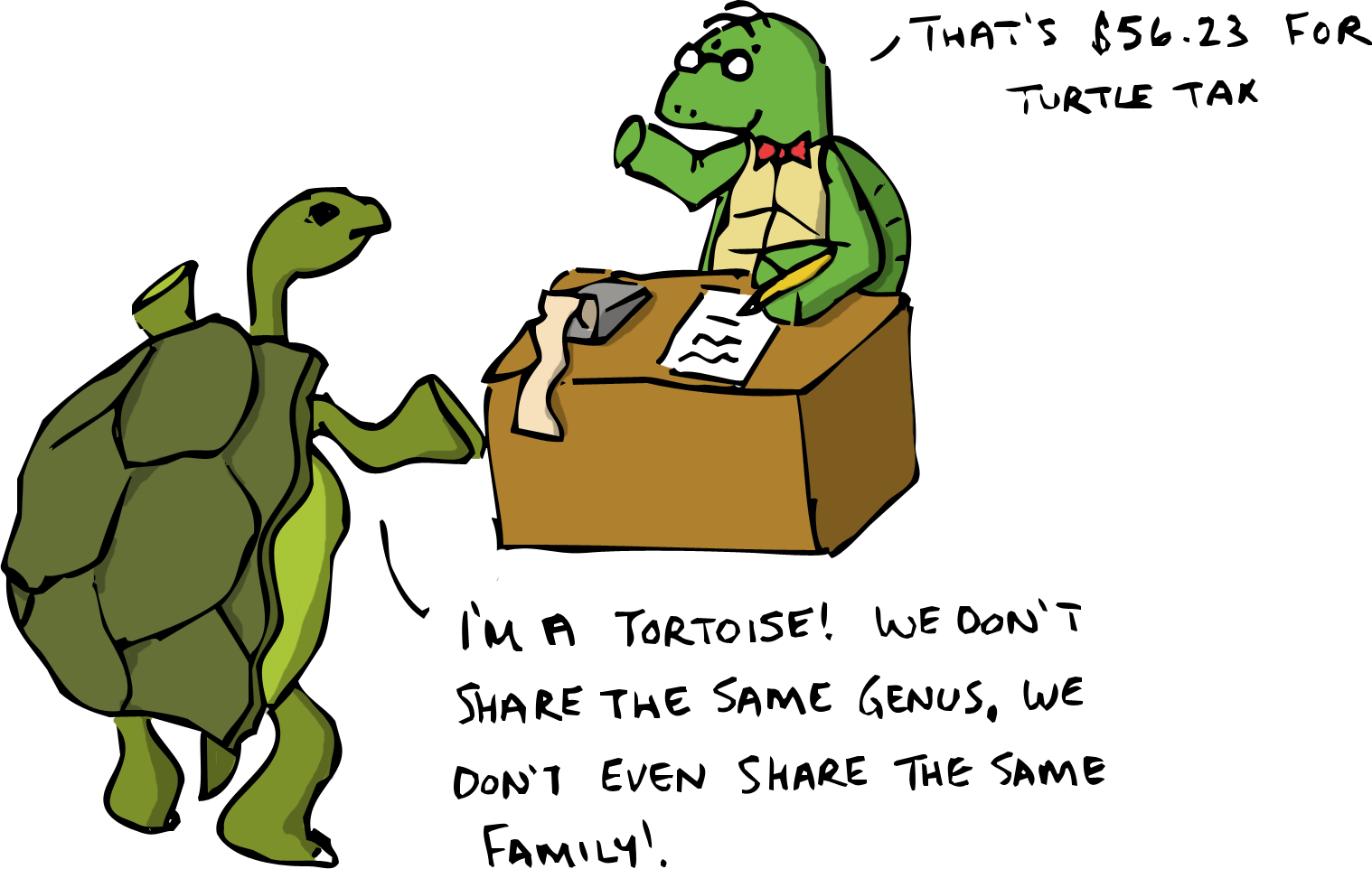
 Taxonomy is not a popular field of science. In fact, it’s a
safe bet that most of you just switched off a little because I started the
article with an unfamiliar, boring sounding word – why would you put the word
“tax” in anything you wanted people to care about? Taxonomy (sorry) is the
discipline that categorizes the living world. People who devote their lives to
this field comb over samples of bugs, bones and botanical wonders and ask the
perplexing and often difficult to answer question: What is this thing?
Unfortunately, the world is in the midst of a woeful shortage
of taxonomists, meaning that countless species don’t have anyone to give
them the limelight they deserve.
Taxonomy is not a popular field of science. In fact, it’s a
safe bet that most of you just switched off a little because I started the
article with an unfamiliar, boring sounding word – why would you put the word
“tax” in anything you wanted people to care about? Taxonomy (sorry) is the
discipline that categorizes the living world. People who devote their lives to
this field comb over samples of bugs, bones and botanical wonders and ask the
perplexing and often difficult to answer question: What is this thing?
Unfortunately, the world is in the midst of a woeful shortage
of taxonomists, meaning that countless species don’t have anyone to give
them the limelight they deserve.
Just like any other area where knowledge is the end-game,
taxonomy can be interesting if you think about it in the right terms. We live
in a world that has largely been explored. We've been to space and pretty much
confirmed that all the major land masses on the planet have been discovered. We
don’t know much about the bottom of the ocean, true; but few of us have spare
submarines lying around or the licenses to pilot them. Taxonomists, on the
other hand, still get to explore. Every day they venture into the archives and
try to find new creatures. On a really good day a taxonomist might even get to
name something after themselves.

Finding a new kind of animal is probably easier than you
imagine. Life on earth is so ridiculously diverse and complex that conservative
estimates suggest that 75% of everything that lives on this planet has yet to be described. Even in Europe, a
place that has been pretty thoroughly picked over, amateur
taxonomists discover new plants and animals at a rate that contributes
significantly to the 16,000 new papers that are published each
year describing something previously unknown. Go flip over a rock or shake a
tree and the odds are reasonable that something that falls out might be unknown
to science… There’s just a ridiculous amount of stuff out there.

Occasionally though, we find something new right under our
noses. It might even be something that we've been staring at for well over a
century, but one day something clicks and we begin to see it differently.
Recently that very thing happened in the field of paleontology, and we can
all get excited about the details.
You may remember back in Sketchy Fact #69 we declared “Brontosaurus never actually existed. It was the product of mistakes made during the
initial rush to discover as many dinosaurs as possible and putting skeletons
together incorrectly.” And while that may have been true at the time,
researchers have since discovered that the initial mistakes may in fact have
been mistakes themselves.

Researchers across Europe
have been pouring over the bones of 81 individual dinosaurs for the past few years,
comparing them in every conceivable way. For over 100 years the specimen that
was originally called a Brontosaurus has been reclassified as a different species
of a similar-looking group of long-necked dinosaurs called Apatosaurus. As the
researchers examined bone after bone, they found that most of the time the
names given to specific animals fit pretty well; however, when they looked at
the very first Brontosaurus specimen they discovered some previously overlooked differences from Apatosaurus that they decided warranted it being
called something else. The main difference was that Brontosaurus had a more slender neck than Apatosaurus. Ironic, given that Brontosaurus
translates to “thunder lizard.”

It may seem like semantics
but bringing back the Brontosaurus is on par with calling Pluto a planet again.
This was a totally unexpected discovery that took over a century for someone to
make. It just goes to show that wherever you look in this crazy world of ours,
there are discoveries to be made. What better reason could there be for all of
us to roll up our sleeves and put on our taxonomy hats?


